Български


EGSID

Sport as a social change – international EGSID training in Sofia


10.05.2026
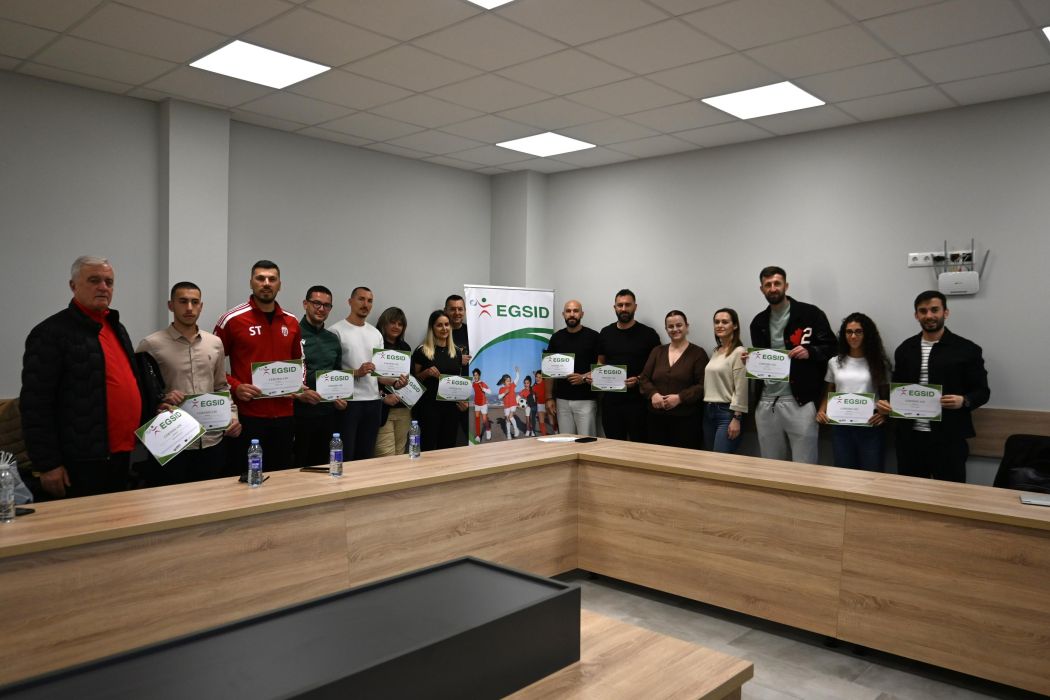
In the period 6–10 May 2026, an international training took place in Sofia as part of the EGSID project – Empowering Grassroots Sport for Inclusion and Development. The event was organized by Bulgarian sports development association in partnership with organizations from Albania and Spain. The project is co-funded by the Erasmus+ programme of the European Union and aims to promote social inclusion, active lifestyle and the development of grassroots sport through international cooperation and exchange of good practices.
EGSID views sport not just as physical activity, but as a powerful tool for social change – one that helps build communities and creates more inclusive environments for young people and vulnerable groups. The initiative works to strengthen the capacity of local sports organizations, promote European values, and foster sustainable partnerships between Albania and the European Union.
The host of the training was the National Sports Academy “Vasil Levski”, to whom the organizers expressed special gratitude for their hospitality, professionalism, and support in making the initiative possible. The training brought together lecturers from Albanian universities UET and UNIEL, as well as coaches and sports administrators from the Pepa Football School.
The official opening and project introduction were led by Joanna Dochevska, Chairperson of BSDA and member of the SHARE 2.0 Steering Group of the European Commission, together with Ivaylo Zdravkov, PhD, a board member of BSDA and expert in safety and social impact through sport. Miroslava Kolyandova from the international department of the National Sports Academy presented the institution as a leading center for sports education, research, and professional training in Bulgaria. Participants also had the opportunity to visit one of the Academy’s newest learning spaces – the Olympic Education Centre.
Among the main lecturers was Assoc. Prof. Ivan Sandanski, PhD, from the Sports Management Department of the National Sports Academy, who presented the structure and governance of the Bulgarian sports system, the role of institutions, and opportunities for the development of grassroots sport.
The topic of inclusive sport and sport as a tool for social integration was presented by Assoc. Prof. Stefka Dzhobova, PhD, and Ivelina Kirilova, PhD, from the Adapted Physical Activity and Sport Department at the Academy. They shared good practices, inclusion models for people with disabilities, parasport initiatives, and modern approaches to making sport more accessible.
Assoc. Prof. Ivan Ivanov, PhD, from the Psychology Department presented sport from a psychological perspective, highlighting how physical activity supports personal development, emotional resilience, and mental well-being.
The empowerment of women in grassroots sport was addressed by Assoc. Prof. Kornelia Naidenova, PhD, head of the Theory of Physical Education Department, former national athlete, and current football coach. She emphasized equal access to sport, overcoming barriers for girls and women, and the role of sport in building confidence and leadership skills.
The agenda also included a presentation of a good practice from FC Nacional, one of the largest football academies in Bulgaria, which focuses on personal development and learning through play as the foundation of its training approach.
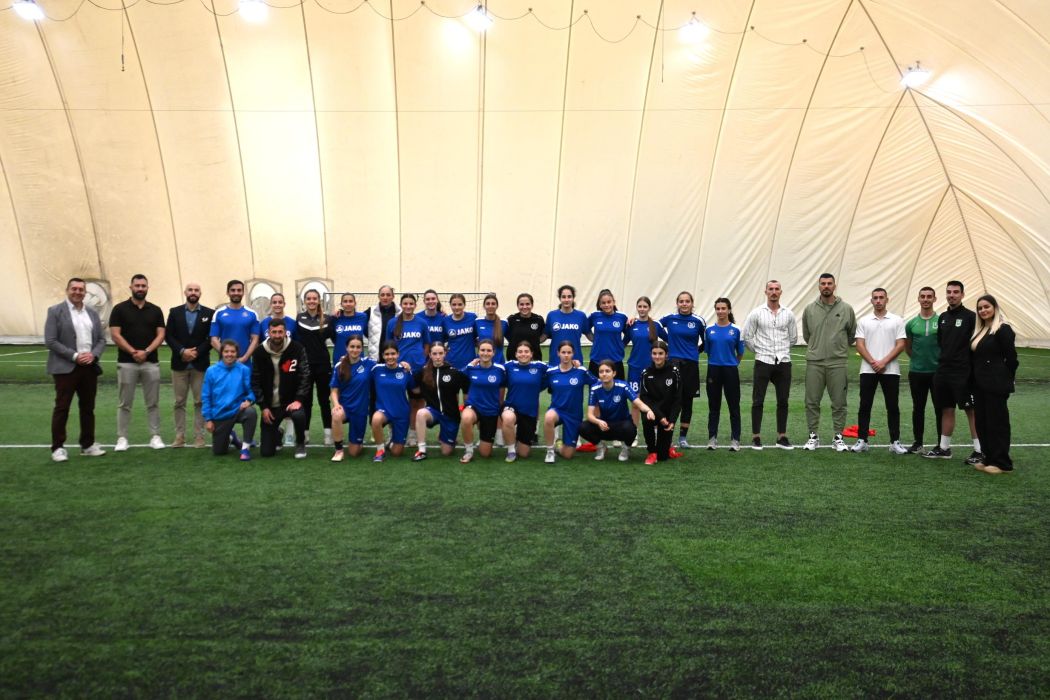
The practical part of the training featured a session led by experts from Deportivo La Coruña, who conducted a training session with women and girls from FC NSA. The session focused on developing women’s participation in sport, as well as the role of sport in community building and engagement.
The final day of the agenda included participation in the athletics event Darko Team Family Sprint Cup, organized by Darko Team Athletics Club – one of the most active clubs in Bulgaria promoting mass sport and athletics for children, youth, and families, encouraging an active and healthy lifestyle.
The training gave participants the opportunity to explore good practices from Bulgaria in the fields of grassroots sport, inclusion, and community development through sport. Through the exchange of experience and practical examples, the Albanian partners gained new ideas and models that can be adapted and applied in their local context.
The host of the training was the National Sports Academy “Vasil Levski”, to whom the organizers expressed special gratitude for their hospitality, professionalism, and support in making the initiative possible. The training brought together lecturers from Albanian universities UET and UNIEL, as well as coaches and sports administrators from the Pepa Football School.
The official opening and project introduction were led by Joanna Dochevska, Chairperson of BSDA and member of the SHARE 2.0 Steering Group of the European Commission, together with Ivaylo Zdravkov, PhD, a board member of BSDA and expert in safety and social impact through sport. Miroslava Kolyandova from the international department of the National Sports Academy presented the institution as a leading center for sports education, research, and professional training in Bulgaria. Participants also had the opportunity to visit one of the Academy’s newest learning spaces – the Olympic Education Centre.
Among the main lecturers was Assoc. Prof. Ivan Sandanski, PhD, from the Sports Management Department of the National Sports Academy, who presented the structure and governance of the Bulgarian sports system, the role of institutions, and opportunities for the development of grassroots sport.
The topic of inclusive sport and sport as a tool for social integration was presented by Assoc. Prof. Stefka Dzhobova, PhD, and Ivelina Kirilova, PhD, from the Adapted Physical Activity and Sport Department at the Academy. They shared good practices, inclusion models for people with disabilities, parasport initiatives, and modern approaches to making sport more accessible.
Assoc. Prof. Ivan Ivanov, PhD, from the Psychology Department presented sport from a psychological perspective, highlighting how physical activity supports personal development, emotional resilience, and mental well-being.
The empowerment of women in grassroots sport was addressed by Assoc. Prof. Kornelia Naidenova, PhD, head of the Theory of Physical Education Department, former national athlete, and current football coach. She emphasized equal access to sport, overcoming barriers for girls and women, and the role of sport in building confidence and leadership skills.
The agenda also included a presentation of a good practice from FC Nacional, one of the largest football academies in Bulgaria, which focuses on personal development and learning through play as the foundation of its training approach.
The practical part of the training featured a session led by experts from Deportivo La Coruña, who conducted a training session with women and girls from FC NSA. The session focused on developing women’s participation in sport, as well as the role of sport in community building and engagement.
The final day of the agenda included participation in the athletics event Darko Team Family Sprint Cup, organized by Darko Team Athletics Club – one of the most active clubs in Bulgaria promoting mass sport and athletics for children, youth, and families, encouraging an active and healthy lifestyle.
The training gave participants the opportunity to explore good practices from Bulgaria in the fields of grassroots sport, inclusion, and community development through sport. Through the exchange of experience and practical examples, the Albanian partners gained new ideas and models that can be adapted and applied in their local context.