Български


SPORT

BSDA presented good practices for inclusion


27.09.2026
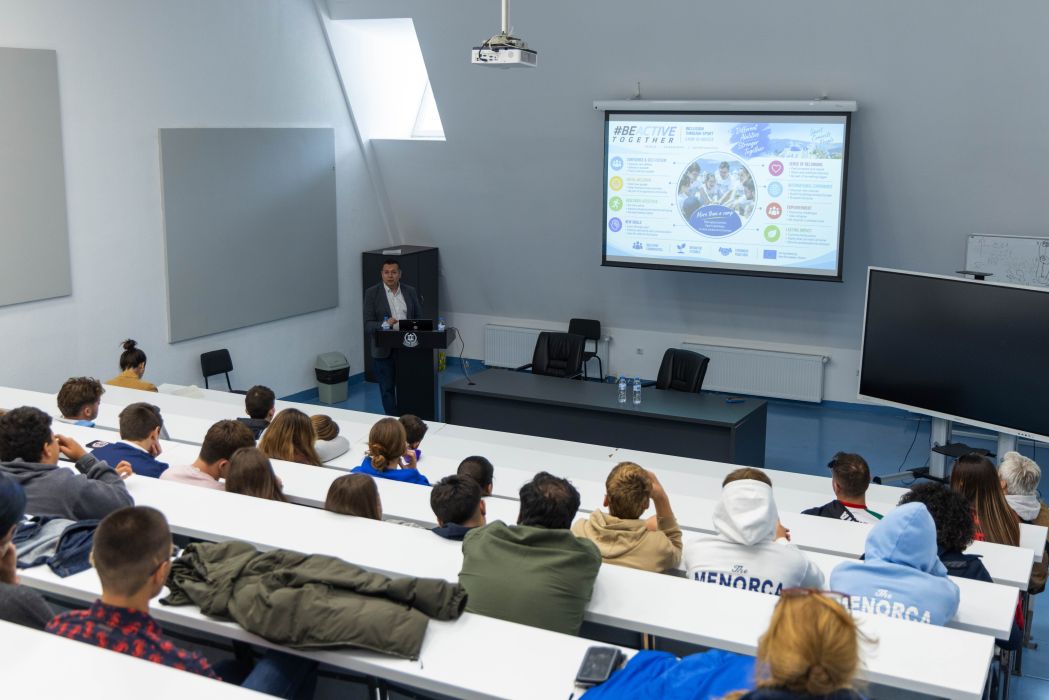
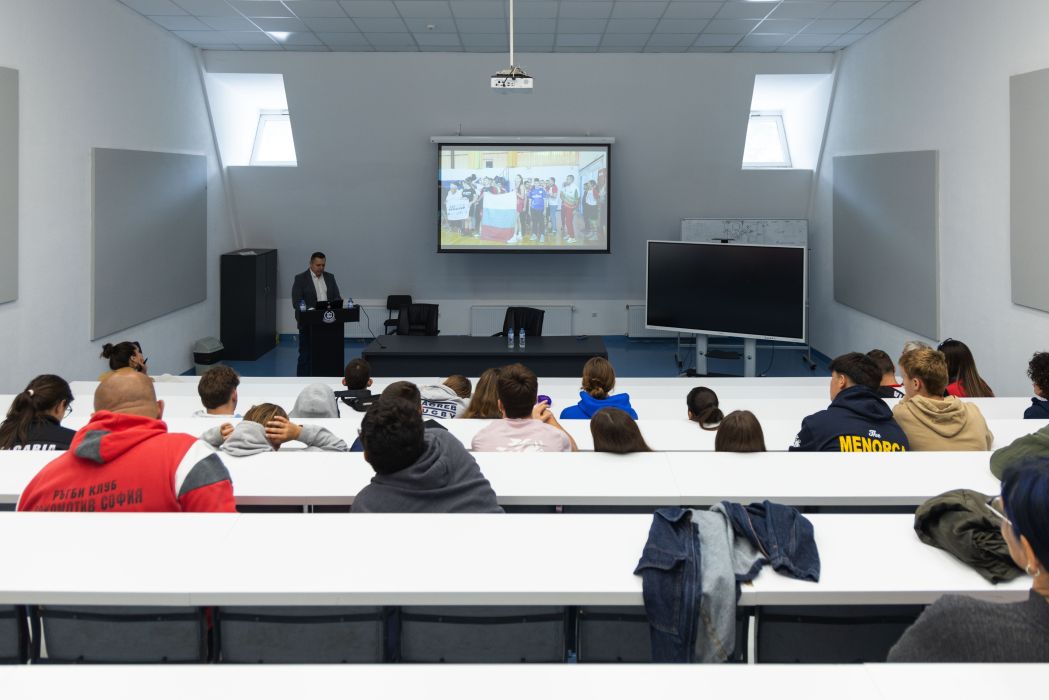
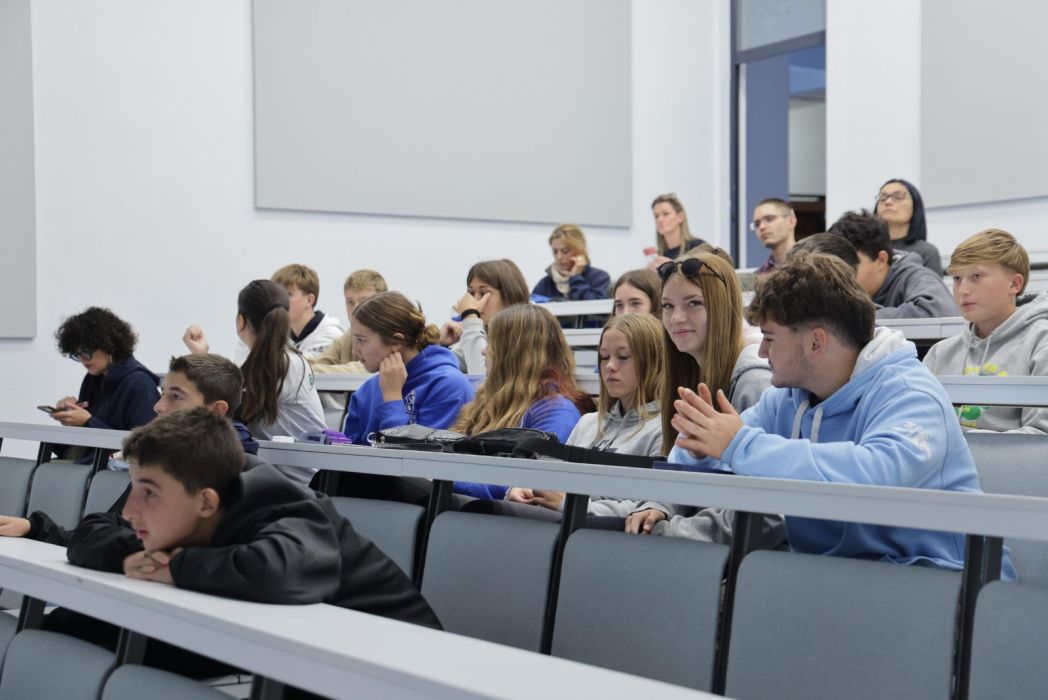
Sport and art can be powerful tools for breaking down barriers, combating discrimination, and building a more inclusive society. This was the central theme of a special event held on the 27th of September at the Vasil Levski National Sports Academy in Sofia as part of the FRIDAS – Freedom in Rights Identities driven through Arts and Sports project.
During his presentation, “Good Practices in adapted sport,” Ivaylo Zdravkov, representing the Bulgarian sports development association (BSDA), shared practical examples of the organisation’s work to make sport a meaningful tool for social inclusion, equal opportunities, and active participation for people with diverse needs.
One of the initiatives highlighted was #SMILE – Sport, Motivation, Inclusion, Leadership, Engagement, through which BSDA develops and tests practical approaches to engaging people with intellectual disabilities and/or mental health challenges in sport. The project includes local training activities, an international sporting event, and a specially developed Good Practices Toolkit featuring tried-and-tested sports activities, ways to adapt exercises, and practical guidance for coaches, sports professionals, and organisations.
Another important example was #BeActiveTogether, an initiative aimed at tackling social isolation and discrimination against people with intellectual disabilities through sports training, sporting events, and international mobility activities. Among its key activities are integrated sporting events in which athletes with intellectual disabilities compete alongside other children and young athletes in established competitions. In 2025, for example, more than 500 children participated in the Darko Team Baby Cup, which also featured specially organised adapted 50-metre races.
Particular attention was also given to the international dimension of inclusion. As part of #BeActiveTogether, sports camps in Bulgaria and Greece bring together people with intellectual disabilities, coaches, social workers, volunteers, and sports professionals. These activities provide opportunities not only for physical activity but also for social interaction, building friendships, developing confidence, and fostering a sense of belonging.
The presentation also showcased BSDA's experience with #SPORT – Strengthening Potentials through Opportunities, Respect, and Team-spirit, a project that uses sport to help individuals develop their potential while promoting respect, teamwork, and social connections. One of its practical examples was an international inclusive sports camp held in Kardzhali in April 2026, which brought together 30 athletes with intellectual disabilities from Bulgaria and Turkey. Through shared sporting activities, the initiative focuses not only on physical activity but also on developing confidence, communication skills, teamwork, and a sense of belonging.
A common message running through all the good practices presented was that adapted sport should not create a separate world for people with disabilities. Instead, it should build bridges to the wider sporting community. This can be achieved by adapting rules and exercises, creating supportive environments, training coaches and volunteers, integrating participants into mainstream sporting events, and providing opportunities to take part in sport at local, national, and international levels.
In this way, sport becomes much more than a means of staying physically active. It creates opportunities for social interaction, independence, confidence, friendship, and active participation in society. The good practices shared by BSDA demonstrate that when sports organisations create the right conditions and remove existing barriers, people with diverse needs can become not just participants, but fully included and active members of the sporting community.
“Inclusion begins when we create opportunities for everyone to be an active participant rather than simply an observer. Sport has a unique ability to build trust, confidence, and a sense of belonging.” This was one of the key messages of BSDA's presentation.
BSDA's participation in the event reflects its long-standing commitment to inclusion through sport, equal opportunities, education through sport, and the development of accessible sporting environments. Through its European initiatives and partnerships, the Association consistently promotes sport as a tool for social integration and bridging differences.
The event was organised by the Bulgarian Rugby Federation as part of the FRIDAS project, which explores the connections between rights, identity, art, and sport, and their role in building more inclusive communities.
The agenda featured a presentation entitled Art + Sport = Accessibility by Benedetta Carpi De Resmini, curator of the FRIDAS project, as well as the video installation After the Finish Line by Adelita Husni-Bey. Other presentations focused on sport for children with special needs, motivation, and the importance of seeing the world from another person's perspective – of putting ourselves in someone else's shoes.
Special emphasis was placed on the idea that breaking down barriers begins with a small but meaningful step: being willing to understand another person's perspective. This is where the values of sport and art come together, creating spaces for dialogue, participation, self-expression, and belonging.
For BSDA, participating in FRIDAS provided another valuable opportunity to share its experience and expertise while contributing to wider European efforts to promote sport free from discrimination and ensure equal access to the opportunities it offers.
Because inclusive sport does more than open doors – it creates a space where everyone has the opportunity to belong.