Български


SAFE SPORT

International #SAFE SPORT Conference in Skopje





05.09.2026
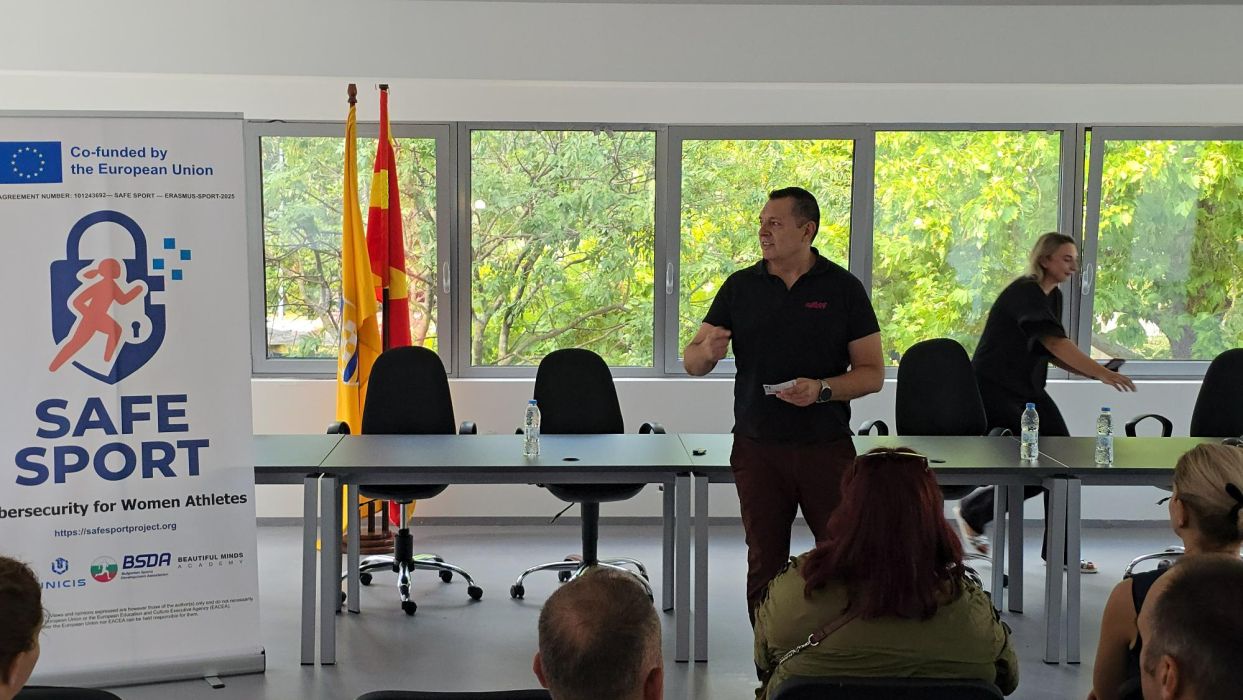
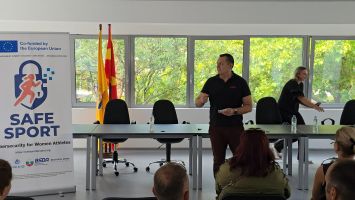
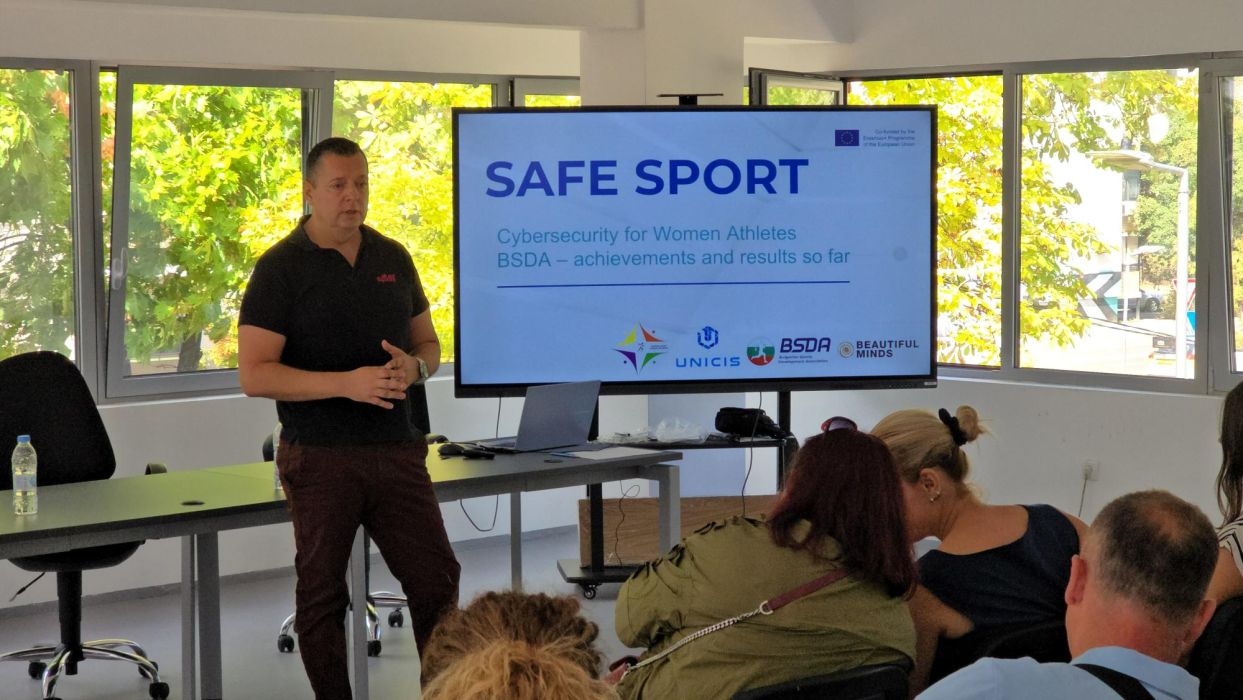
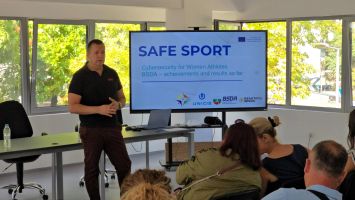
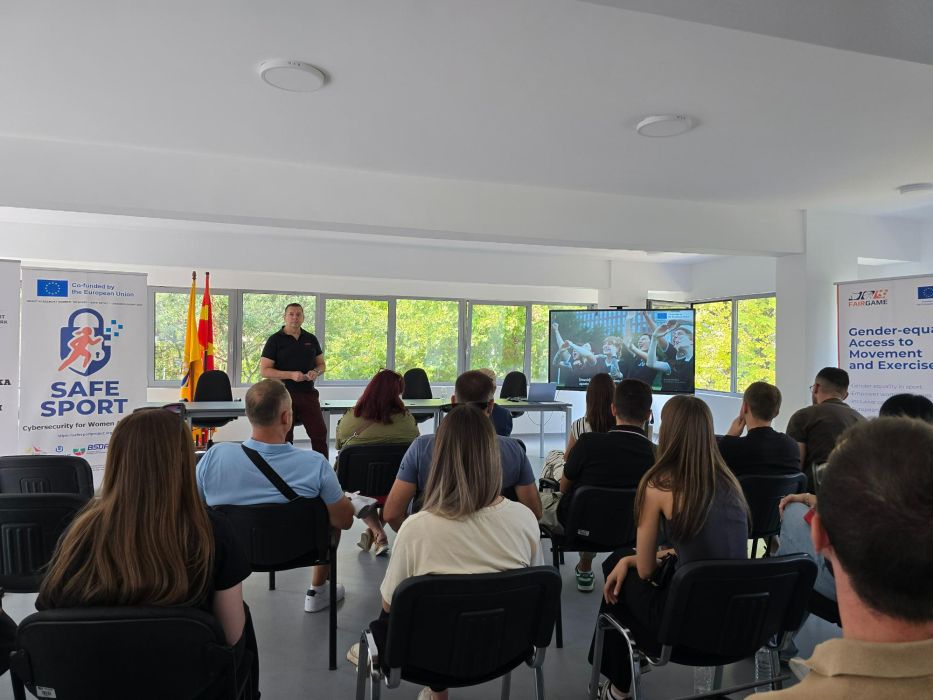
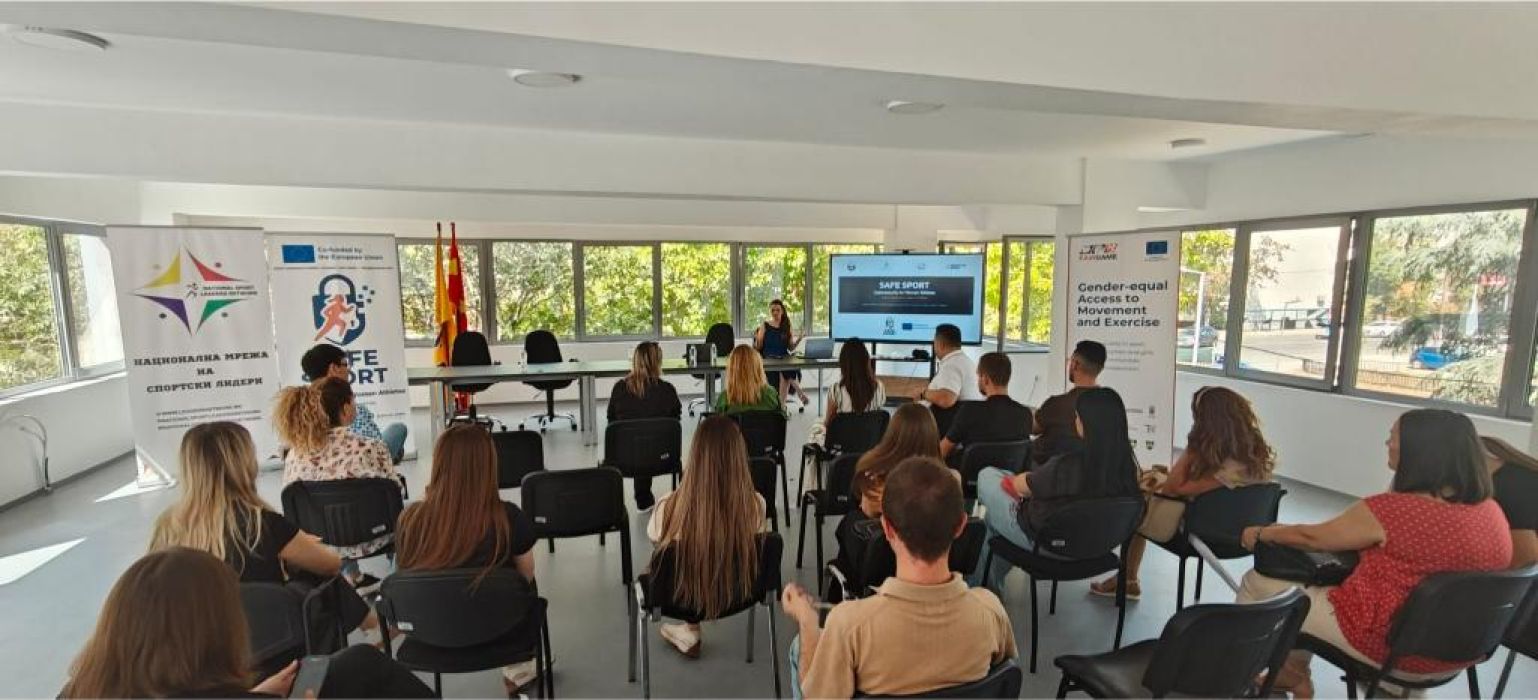
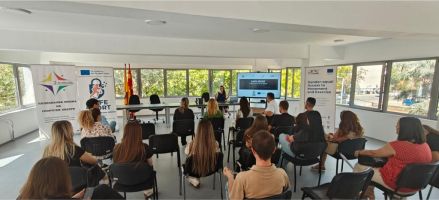
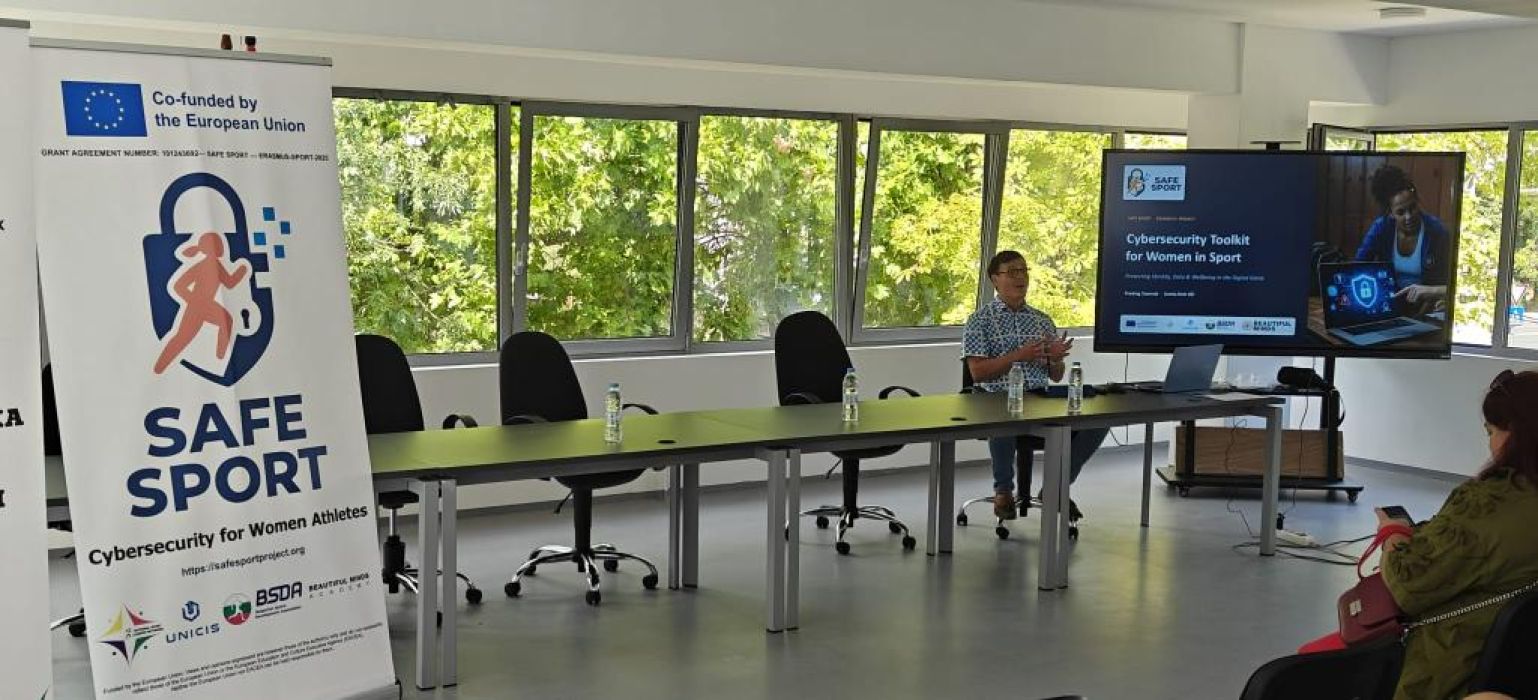
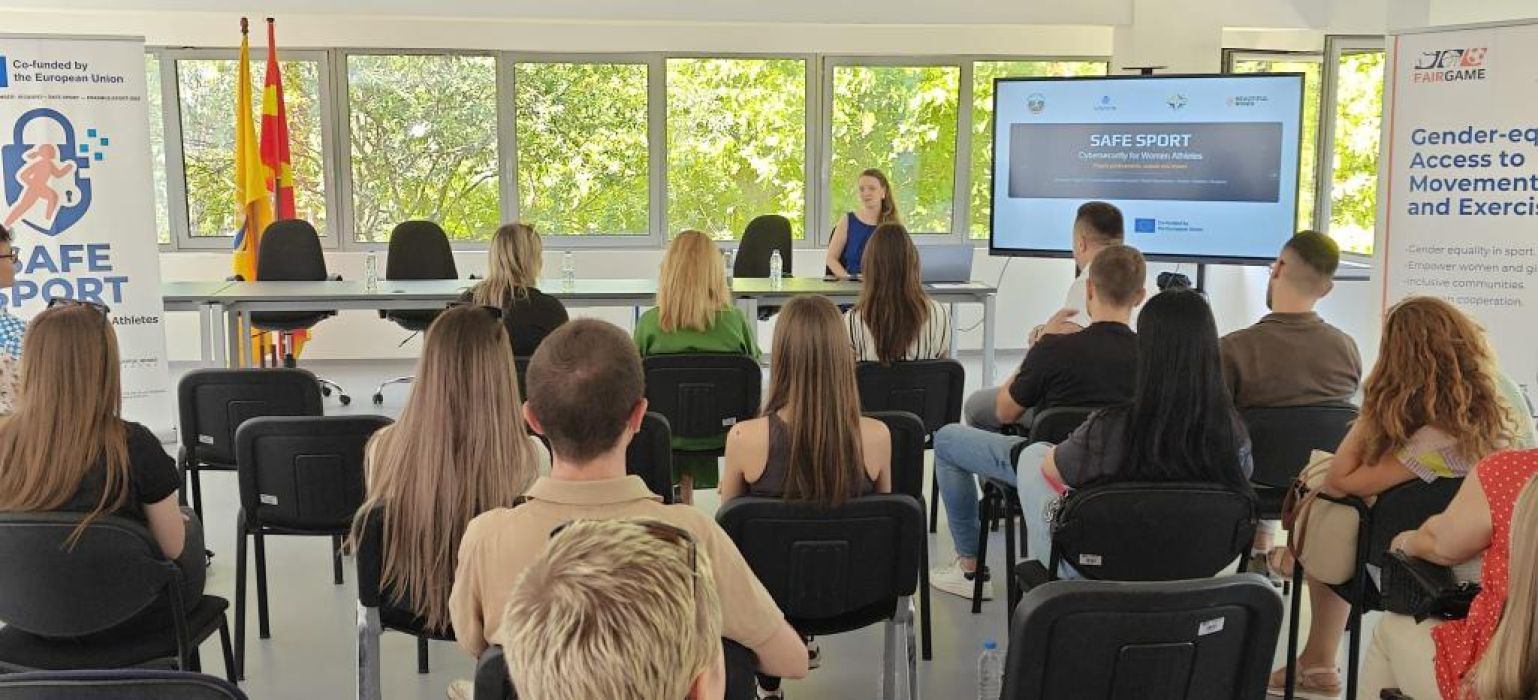
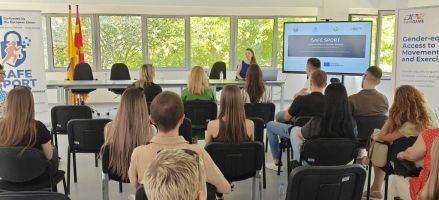
SAFE SPORT Project – “Cybersecurity for Women Athletes” officially concluded after nearly a year of work focused on enhancing digital safety, resilience, and awareness among women in sport. The final activities of the initiative took place from 3–5 September 2026 in Skopje, North Macedonia, where the final partner meeting and closing international conference were held, bringing together athletes, coaches, sports experts, representatives of sports organizations, and local authorities.
SAFE SPORT was implemented with the support of the European Union’s Erasmus+ Sport programme and brought together partner organisations from North Macedonia, Serbia, Estonia and Bulgaria. Throughout the project, the partners worked together to create a safer and more resilient digital environment for women athletes. During the closing conference, the project’s key results, lessons learned and good practices developed and implemented in the partner countries were presented.
The main topics discussed at the conference included cyberbullying, online harassment, personal data protection, identity theft, digital exploitation and ways to respond to online threats. Particular attention was given to the need for sports organisations to create an environment where young women athletes can use digital technologies confidently and safely, without being exposed to harassment, discrimination or other forms of digital violence. Participants also discussed the role of coaches, sports professionals and sports organisation leaders in preventing and identifying online risks at an early stage.
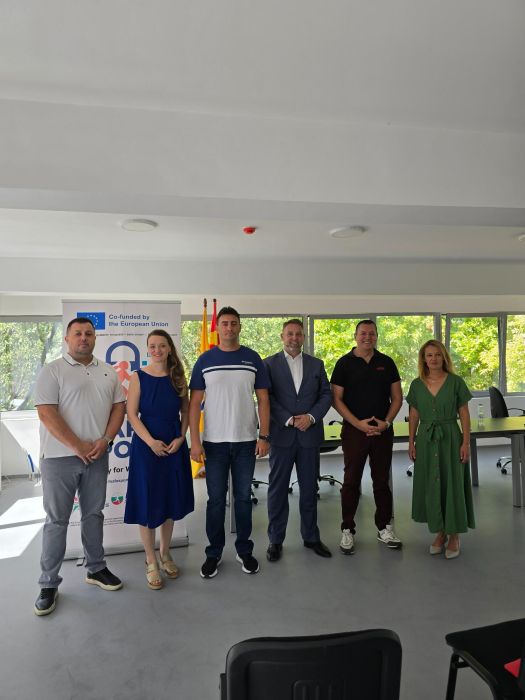
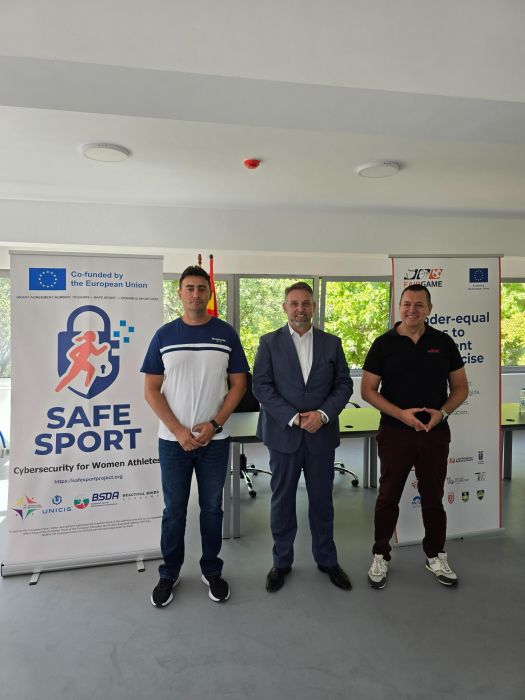
Bulgaria was represented by Ivaylo Zdravkov, board member of Bulgarian sports development association, and Assist. Prof. Petar Yordanov from the National Sports Academy “Vassil Levski”. Their participation contributed to showcasing Bulgarian experience and expertise in the fields of sport, education and the creation of a safe and inclusive sports environment. The conference highlighted that digital safety can no longer be treated as a separate issue, but must be integrated into the everyday work of sports organisations, coaches and athletes.
What did SAFE SPORT achieve?
As part of the project, a range of activities were developed and implemented to build practical knowledge and skills related to digital safety.
Key results included:
• A Cybersecurity Handbook for integrating digital safety into sports-based training;
• Training sessions for coaches and trainers, enabling them to deliver cybersecurity activities at the local level;
• Project and sports sessions for more than 300 young women athletes, focused on strengthening their digital resilience;
• Awareness-raising activities highlighting online risks and the need for a safer digital environment in sport;
• Exchange of experiences and good practices among organisations from four European countries.
The practical activities enabled participants not only to gain knowledge about potential online threats, but also to develop specific skills for preventing them and responding appropriately when problems arise.
The final meeting in Skopje confirmed the need to continue efforts to protect athletes in the digital environment. The partners emphasised that technological developments create new opportunities for communication, training and promoting sport, while at the same time presenting new challenges to athletes’ safety.
More information about the initiative can be found on its website: www.safesportproject.org.
The main topics discussed at the conference included cyberbullying, online harassment, personal data protection, identity theft, digital exploitation and ways to respond to online threats. Particular attention was given to the need for sports organisations to create an environment where young women athletes can use digital technologies confidently and safely, without being exposed to harassment, discrimination or other forms of digital violence. Participants also discussed the role of coaches, sports professionals and sports organisation leaders in preventing and identifying online risks at an early stage.
Bulgaria was represented by Ivaylo Zdravkov, board member of Bulgarian sports development association, and Assist. Prof. Petar Yordanov from the National Sports Academy “Vassil Levski”. Their participation contributed to showcasing Bulgarian experience and expertise in the fields of sport, education and the creation of a safe and inclusive sports environment. The conference highlighted that digital safety can no longer be treated as a separate issue, but must be integrated into the everyday work of sports organisations, coaches and athletes.
What did SAFE SPORT achieve?
As part of the project, a range of activities were developed and implemented to build practical knowledge and skills related to digital safety.
Key results included:
• A Cybersecurity Handbook for integrating digital safety into sports-based training;
• Training sessions for coaches and trainers, enabling them to deliver cybersecurity activities at the local level;
• Project and sports sessions for more than 300 young women athletes, focused on strengthening their digital resilience;
• Awareness-raising activities highlighting online risks and the need for a safer digital environment in sport;
• Exchange of experiences and good practices among organisations from four European countries.
The practical activities enabled participants not only to gain knowledge about potential online threats, but also to develop specific skills for preventing them and responding appropriately when problems arise.
The final meeting in Skopje confirmed the need to continue efforts to protect athletes in the digital environment. The partners emphasised that technological developments create new opportunities for communication, training and promoting sport, while at the same time presenting new challenges to athletes’ safety.
More information about the initiative can be found on its website: www.safesportproject.org.